
Choose your project
Every project is a named European farm with its own measurements, coordinates and ledger entry. Pick the one you want to support.
 Photo 1 of 4
Soil carbon is measured on site with a licensed agronometer and cross-checked by an independent laboratory. Removals are certified under ONCRA's Land Stored Carbon Protocol and registered in the public ledger, so each credit can be traced and cannot be used twice. Follow-up measurements take place every three years.
View the public ONCRA ledger ONCRA certified project
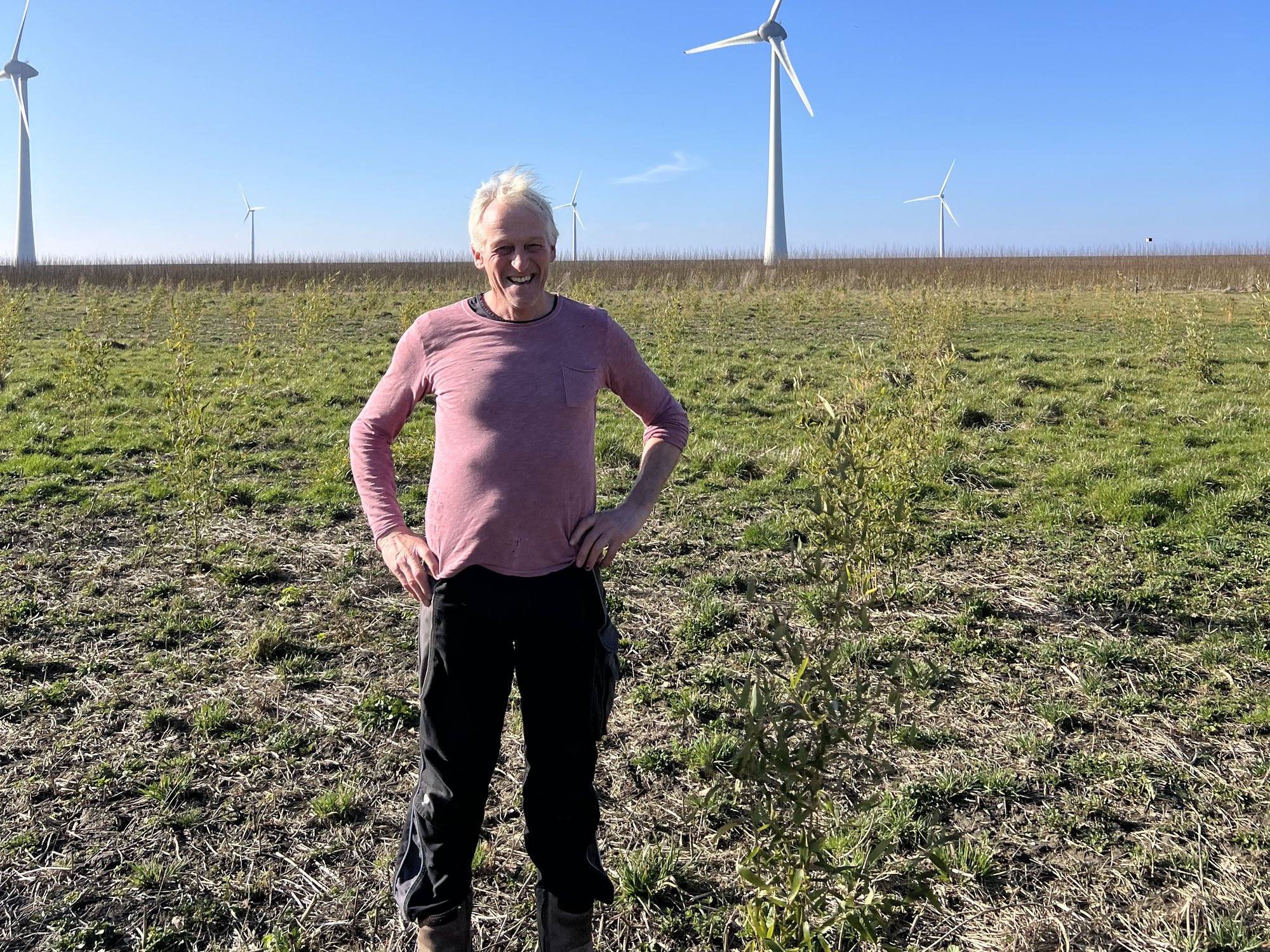
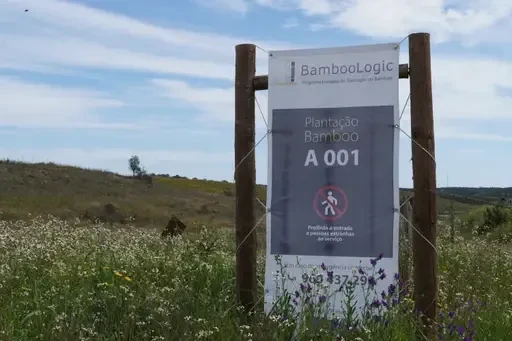
Ricardo lives in Portugal and has always been surrounded by agriculture, but never considered investing in this area due to a lack of interest in the predominant local crops. Upon researching bamboo, he immediately recognised it as the investment they wanted. Bamboo offers opportunities in organic production, food production, the energy industry, and wood for various applications. Most importantly, it is a crop that greatly benefits the environment. Although it is still early days, Ricardo is extremely excited about the future and the development of this crop.
Four steps
From choosing a farm to a certificate in the public ledger — usually within one working day.
Every project is a named European farm with its own measurements, coordinates and ledger entry. Pick the one you want to support.
Set how many tonnes you want to remove and send your request. We confirm availability and send you a quote.
Your removal is registered in the public ONCRA ledger, which is what prevents the same tonne being sold twice.
You receive your certificate by email, and the farmer receives the income that keeps the field growing.
Beyond carbon
What makes bamboo stand out compared to other crops?
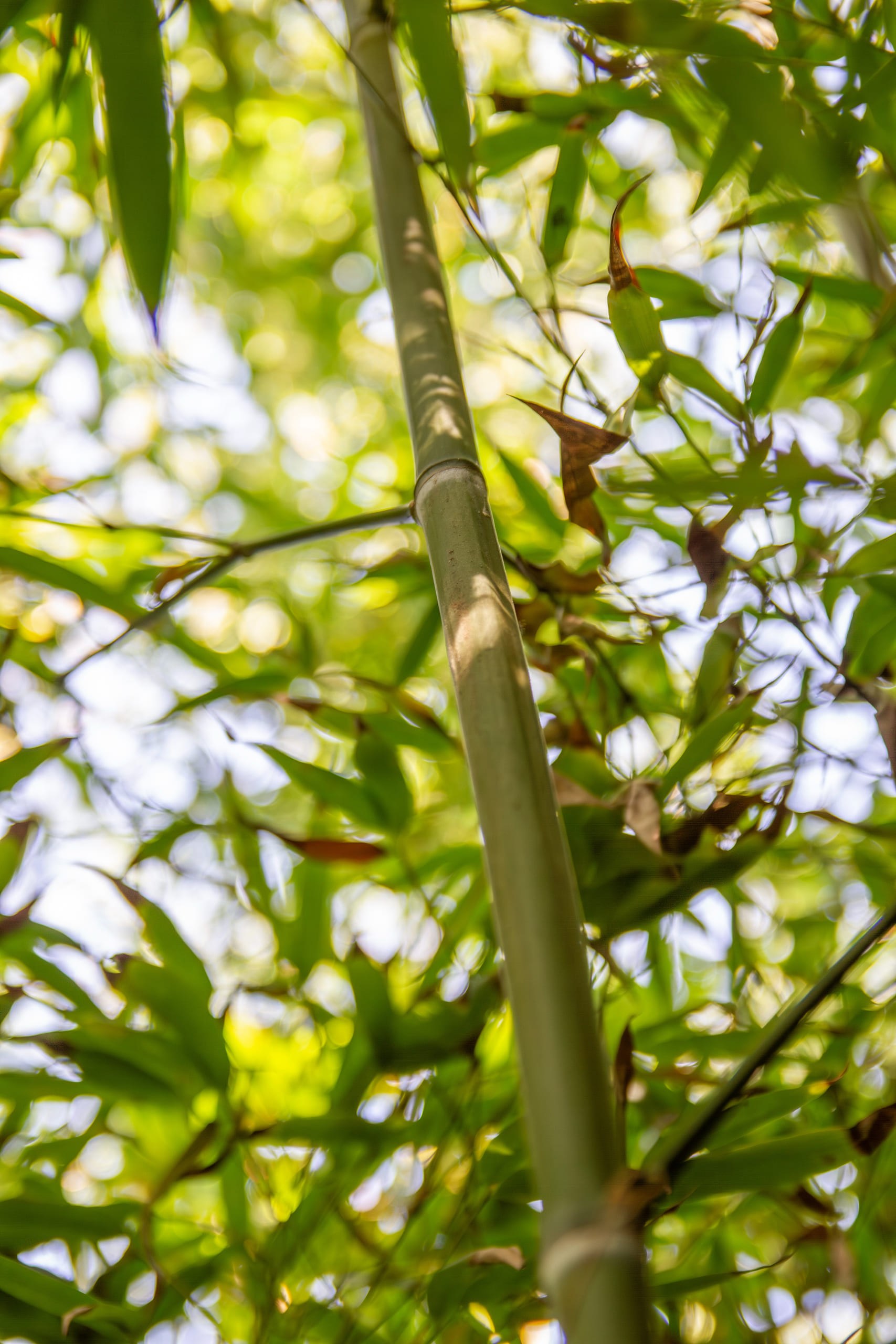
Roots hold soil against erosion, improve water retention and rebuild depleted agricultural land, storing carbon below ground as well as above it.
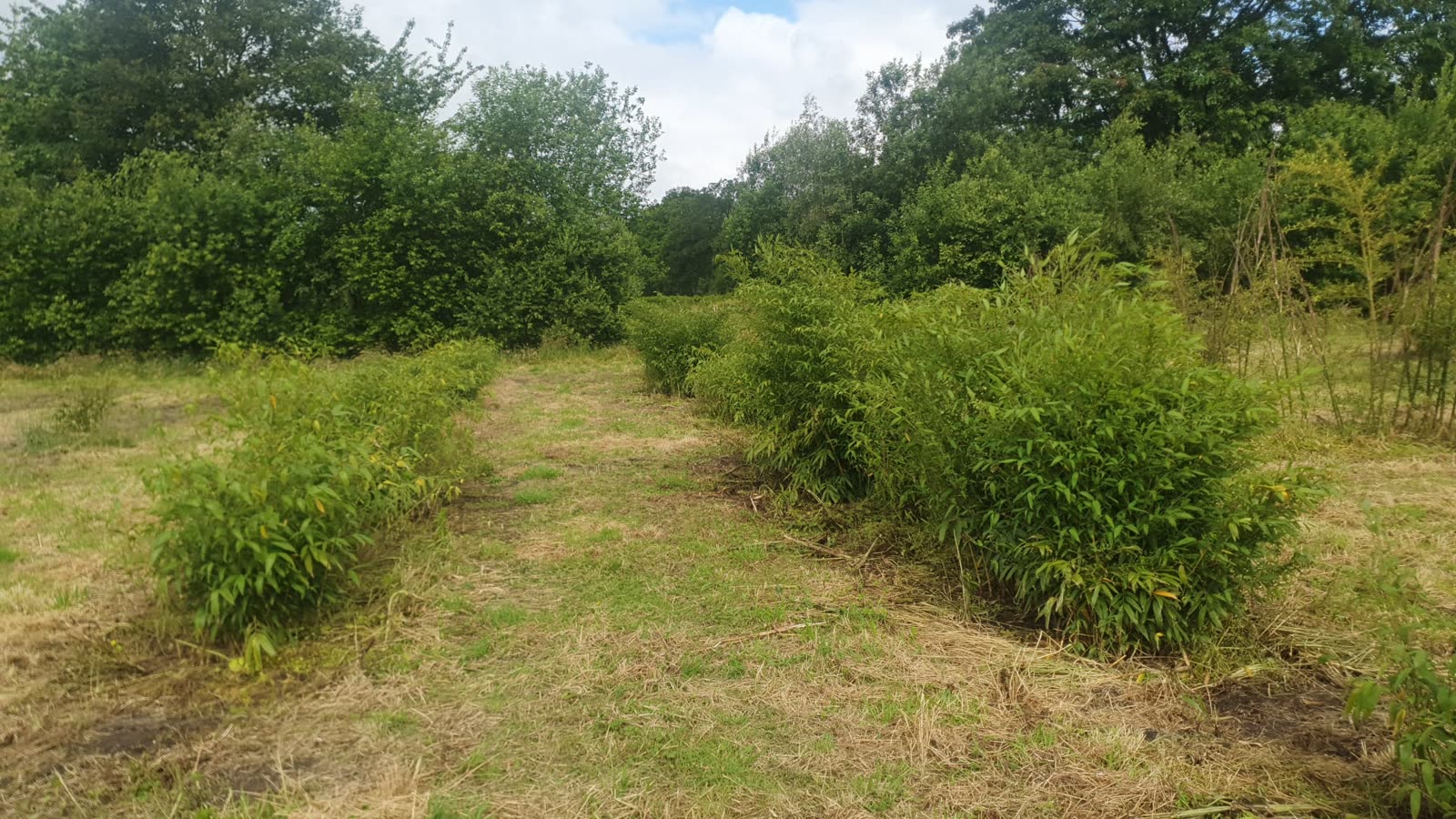
A bare field becomes a year-round green forest that shelters insects, birds, mice and boars, and keeps doing so between harvests.
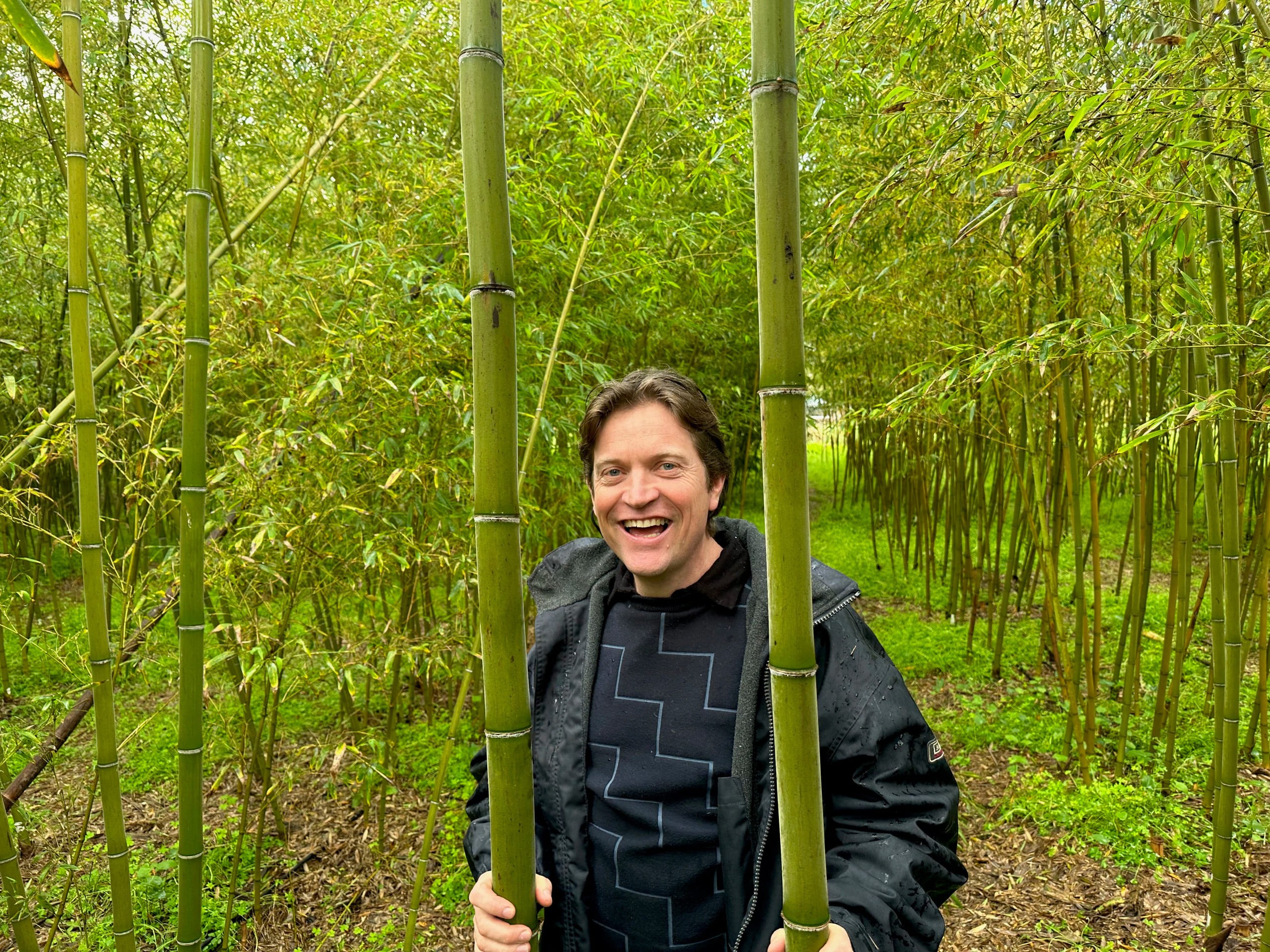
Harvested culms feed the bio-based industry, replacing steel, plastic and concrete — materials with a far higher carbon footprint.
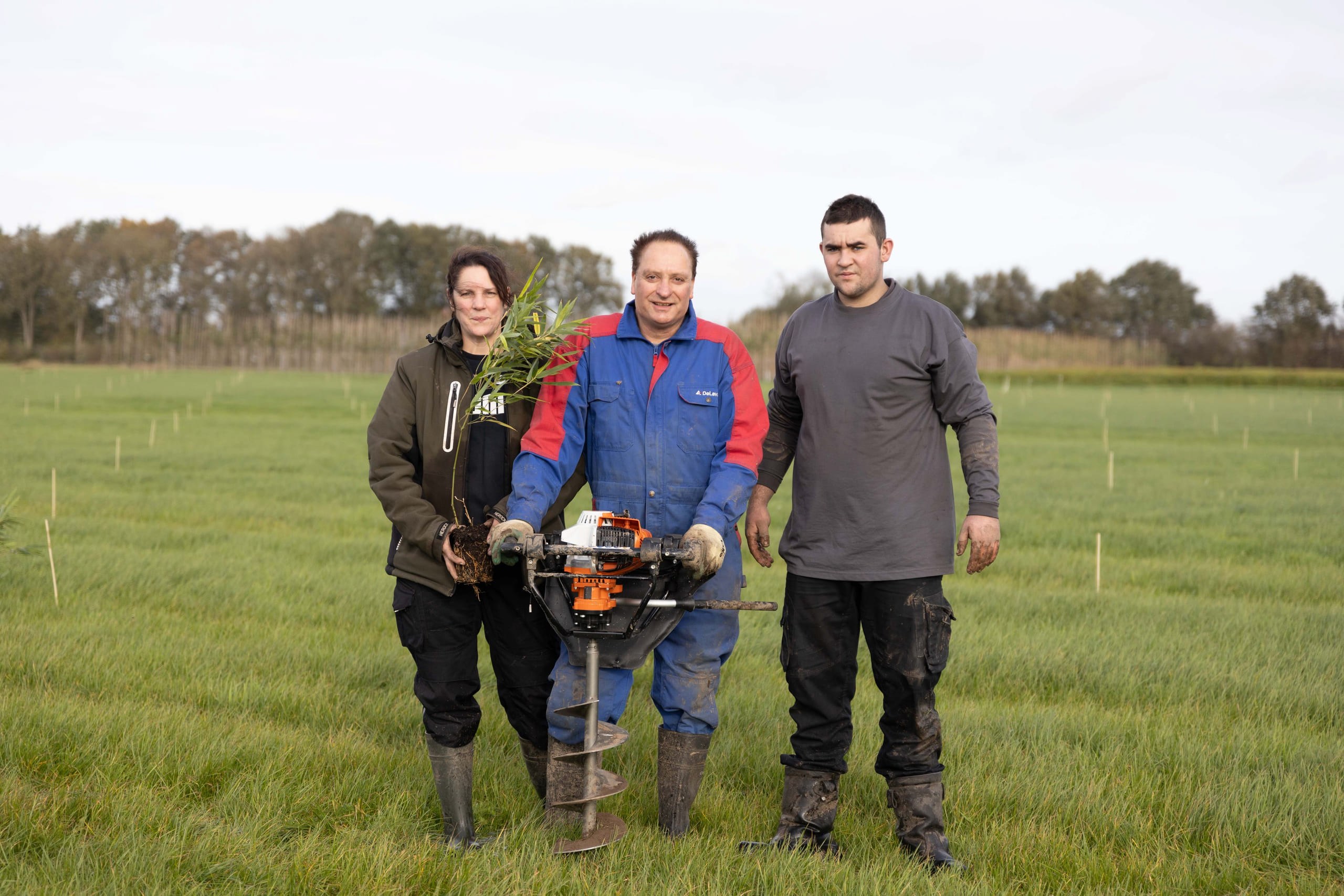
Carbon certificates give farmers a second income stream, which is what makes planting bamboo on marginal land viable in the first place.
 new project



Project updates, verification news and bamboo research. No more than once a month.